
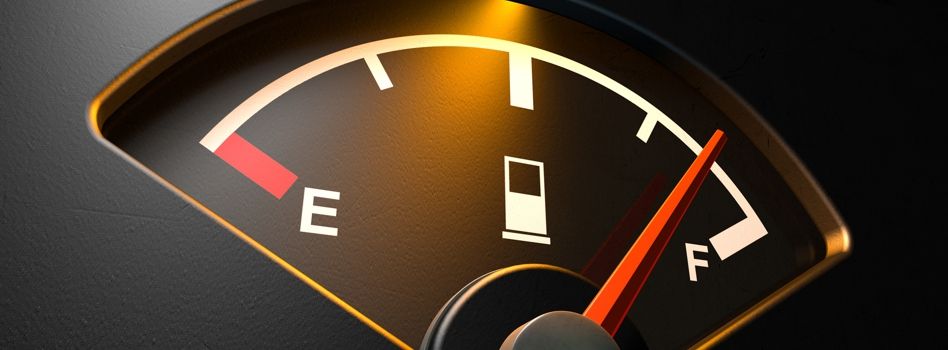
[vc_row][vc_column][vc_column_text]Fuel efficiency is one of the most important factors in modern road transport. Fuel is pricey, and as time goes on the prices only seem to be getting higher. For professional HGV drivers, fuel is one of the single most expensive aspects of the job, so it’s important for you to understand how to save fuel where you can and become a more fuel efficient driver, without having to drastically change how you drive. So this month we’ve brought you some of our best tips for saving fuel on long haul journeys.
Stop Idling
While it might seem tempting to leave the engine on during your breaks (particularly during the winter when it helps you stay warm), that idling time could be costing you a lot of fuel. Studies have shown that a typical 420hp heavy-duty lorry engine will consume fuel at a rate of around 2 litres an hour when stationary and idling. This might not sound like much, but it really adds up over time!
Utilise Cruise Control
It’s a sad fact, but when it comes to fuel efficiency, nothing beats computer control. But unlike that episode of The Simpsons (when drivers used a computer to drive for them), you only need to use the cruise control. By using your on-board computer to maintain a steady speed, you can reduce the amount of acceleration and braking in a single journey. If you’re really keen, you can work out where your lorry’s ‘sweet spot’ for fuel economy is (every vehicle has one), and use cruise control to stay as close to that speed as possible for most of your journey. This helps you save money on fuel and focus more on driving.
Take the Path of Least Resistance
The resistance a car or lorry comes up against when driving can have a huge effect on how much fuel you use, because it requires more energy to move forward against heavy resistance. Resistance can come from the air, from the gradient, or from rolling resistance. While you should always be choosing less hilly options for HGV driving, there are a few other ways you can lower resistance and increase fuel efficency. For example, investing in a complete set of low-rolling resistance tyres can give fuel efficiency gains of up to 6% on long haul journeys. Ensuring tyres are fully inflated and meet the correct pressures helps a lot too. If your tyres fall below this, your rolling resistance increases and you waste more fuel per journey. In face just a 10 psi fall in pressure can drop your fuel economy by 1% every journey.
Block Change Gears
Block changing gears is essentially the practice of missing out gears that aren’t relevant to the speed you’re currently driving at. So instead of working up or down through the gears as you would when you first pass your driving test, block changing means you would go from 1st to 4th, or 5th to 2nd in one change. Block changing gears, particularly when changing up, has been proven over the years to reduce the amount of fuel used. This is because changing up gears in a block allows the engine to work easier, reduces revs and uses less fuel to power the engine. It also means you spend more time with your hands on the wheel instead of the gearstick, making it a safer practice for all HGV drivers.
Of course, there are more ways you can improve your efficiency, but most of them mean kitting out your HGV with a lot of aerodynamic gear! Though good vehicle maintenance is important, that might be best left to the designers! If you have any other tricks we’ve not mentioned, we’d love to hear them. For more tips, or to start your career as a HGV driver today, get in touch with the team at Rapier Employment – we’d love to help.[/vc_column_text][/vc_column][/vc_row]